HPCI® standardizes biomass for all biofuel pathways

The problem

Biomass is a highly heterogeneous resource. This variability significantly complicates industrial processes and limits the scale-up of many biomass applications.

The answer

We reduce this heterogeneity by transforming biomass into HPCI®, a clean, stable, and biogenic carbon, combining superior logistics with exceptional offtake versatility.

22

Patent families

TRL 8

Technology

6–8%

Moisture

92%

Material yield

01 / The pre-treatment step

You would not cook
every ingredient the same way

Biomass is no different. Upstream of conversion processes, HPCI® opens the lignocellulosic structure and makes each biomass component accessible to the pathway where it can create the most value.

02 / Conversion pathways

Prepared for the pathway where each component creates the most value

Feedstock for bioethanol

Pretreatment improves the accessibility of carbohydrate fractions for hydrolysis and fermentation.
Accessibility Carbohydrate fractions made accessible for hydrolysis and fermentation
Additives No acids or additives
Effluent and waste No liquid effluent and no waste
Lignin Lignin-derived phenols valorized in higher-value applications
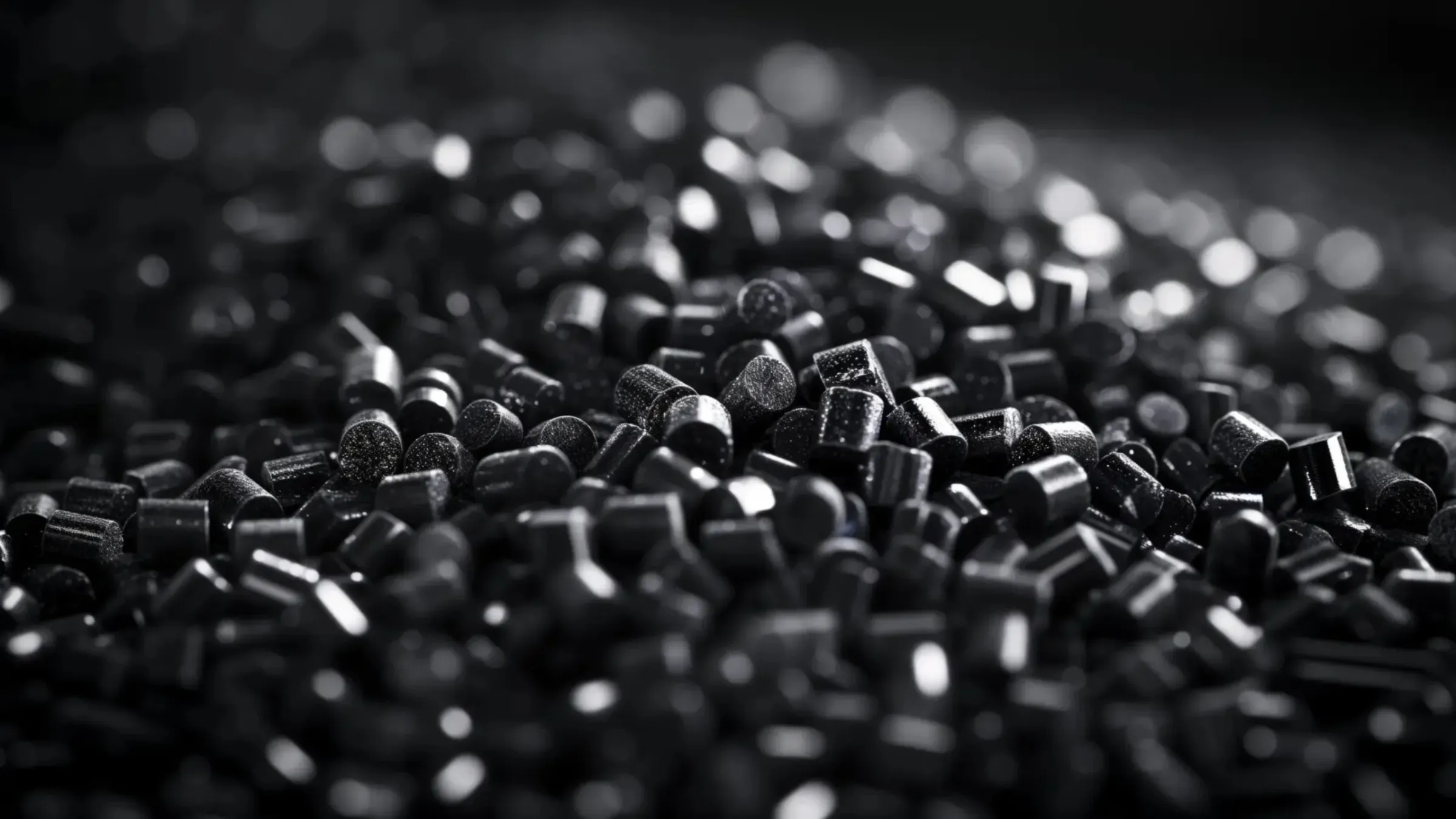
Close-up of dark solid-fuel pellets

03 / Coal substitution

The industrial substitute for coal

Designed as a dense, stable and easy-to-handle solid fuel, HPCI® can replace coal while retaining existing infrastructure.

Compared with conventional white pellets, HPCI® carries more energy per cubic metre and per shipment, reduces logistics costs, can be stored outdoors, and is compatible with existing coal handling, milling and pulverised-combustion systems.

Existing coal plant line

HPCI®

Coal handling

Compatible

Coal milling

Compatible

Pulverised combustion

Compatible

PropertiesWhite pelletsHPCI®
Raw materialsSoftwoodResidues from all lignocellulosic biomasses (hardwoods, softwoods, grasses, waste)
Humidity≤ 10%≤ 8%
LHV, wet basis (MWh/t)≥ 4.6> 5.0
Density (kg/m³)≥ 600> 725
Fines rate≤ 0.5%≤ 0.25%
Durability (mechanical strength)≥ 98%≥ 98.5%
Durability after soakingUnfeasible98%
Ash content≤ 0.6%< 0.5%
Energy density (MWh/m³)2.93.9
Risk of explosion during handling and storageHighNo
Risk of self-heatingHighNo
Water and moisture resistanceAbsorbs water, ferments, disintegratesHydrophobic

HPCI® standardizes biomass for every biofuel pathway

The problem

Biomass is a highly heterogeneous resource. This variability significantly complicates industrial processes and limits the scale-up of many biomass applications.

The answer

We reduce this heterogeneity by transforming biomass into HPCI®, a clean, stable, and biogenic carbon, combining superior logistics with exceptional offtake versatility.

22 Patent families
TRL 8 Technology
6–8% Moisture
92% Material yield

01 / The pre-treatment step

You would not cook every ingredient the same way

Biomass is no different. Upstream of conversion processes, HPCI® opens the lignocellulosic structure and makes each biomass component accessible to the pathway where it can create the most value.

02 / Conversion pathways

Prepared for the pathway where each component creates the most value

Feedstock for bioethanol

Pretreatment improves the accessibility of carbohydrate fractions for hydrolysis and fermentation.

Up to 70%Theoretical bioethanol potential
Accessibility
Carbohydrate fractions made accessible for hydrolysis and fermentation
Additives
No acids or additives
Effluent and waste
No liquid effluent and no waste
Lignin
Lignin-derived phenols valorized in higher-value applications
Assess compatibility with your process
Close-up of dark solid-fuel pellets

03 / Coal substitution

The industrial substitute
for coal

Designed as a dense, stable and easy-to-handle solid fuel, HPCI® can replace coal while retaining existing infrastructure.

Compared with conventional white pellets, HPCI® carries more energy per cubic metre and per shipment, reduces logistics costs, can be stored outdoors, and is compatible with existing coal handling, milling and pulverised-combustion systems.

Existing coal plant line

HPCI®

Coal handling

Compatible

Coal milling

Compatible

Pulverised combustion

Compatible

Properties

White pelletsHPCI®
Raw materials
SoftwoodResidues from all lignocellulosic biomasses (hardwoods, softwoods, grasses, waste)
Humidity
≤ 10%≤ 8%
LHV, wet basis (MWh/t)
≥ 4.6> 5.0
Density (kg/m³)
≥ 600> 725
Fines rate
≤ 0.5%≤ 0.25%
Durability (mechanical strength)
≥ 98%≥ 98.5%
Durability after soaking
Unfeasible98%
Ash content
≤ 0.6%< 0.5%
Energy density (MWh/m³)
2.93.9
Risk of explosion during handling and storage
HighNo
Risk of self-heating
HighNo
Water and moisture resistance
Absorbs water, ferments, disintegratesHydrophobic